
A good pan earns its place slowly. It makes the Saturday eggs, takes the heat for a steak, carries a cobbler from oven to table, and becomes familiar enough that someone reaches for it without thinking. Years later, it may still be the pan a son, daughter, or grandchild remembers from the kitchen.
That is why the question is not simply whether a pan is cast iron or nonstick. It is also how the pan is made, how it feels in the hand, how it responds to heat, and whether its care fits the way you really cook.
Here are two serious iron pans with different answers: Stargazer, a traditional American cast iron skillet with a smooth machined cooking surface, and Solidteknics AUS ION, a seamless lightweight wrought iron pan made in Australia. Neither is universally better. The better choice is the one that will be used often enough to become part of your kitchen story.
At a glance
| Question | Stargazer cast iron | Solidteknics wrought iron |
|---|---|---|
|
How it is made |
Cast, then machined smooth |
Formed from one piece of wrought
iron |
|
What it feels like |
Traditional weight and steady heat |
Lighter in the hand and more
responsive |
|
Care |
Seasoning, drying, and regular use |
Seasoning, drying, and regular use |
|
Origin |
Made in the United States |
Made in Australia from Australian
iron |
|
Best fit |
The cook who wants classic cast
iron |
The cook who wants iron with less
weight |
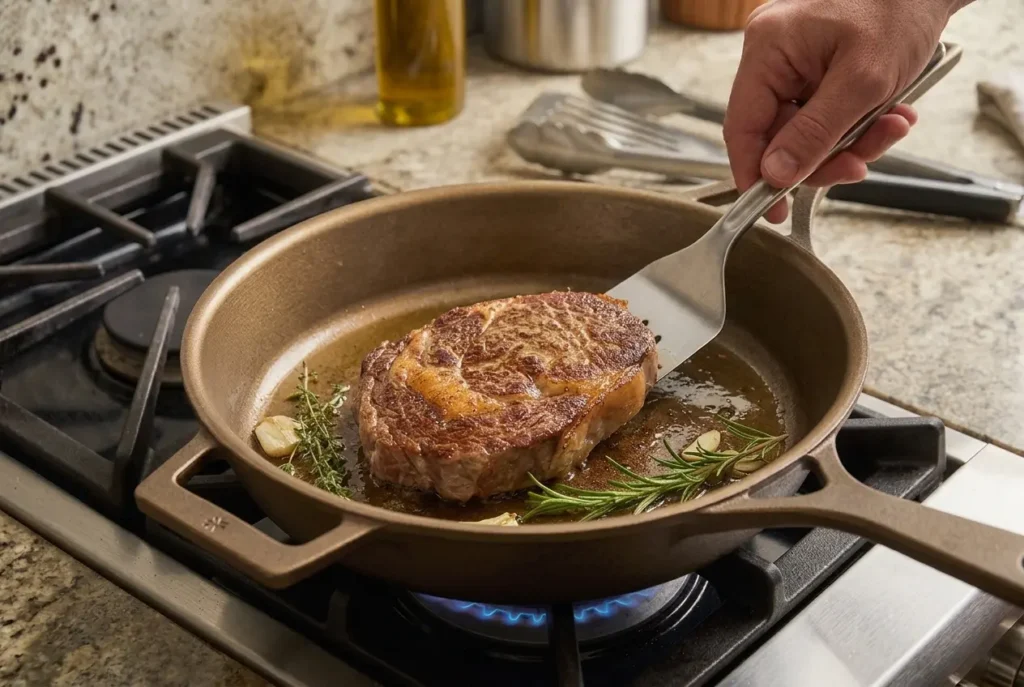
Stargazer begins with the material many families already know: cast iron. Its 10.5 inch skillet is made in the United States and has a smooth machined surface, a flared rim for pouring, and a helper handle that makes a substantial pan easier to manage. It is traditional cast iron refined for the way people cook now.
The virtues of cast iron are familiar for a reason. Its mass holds heat well once the pan is properly warmed, which makes it especially satisfying for browning, roasting, cornbread, skillet desserts, and meals that move from stovetop to oven. A seasoned cast iron pan also develops a naturally easier release over time through repeated use and care.
The tradeoff is weight and patience. A cast iron skillet is not a quick, delicate pan. It takes time to heat, changes temperature slowly, and asks to be dried and maintained after use. For the cook who values that rhythm, those are not drawbacks. They are part of the appeal.
Choose Stargazer if you want a made in America cast iron skillet that feels rooted in tradition, with thoughtful modern details and a place in the GenTree Home collection.
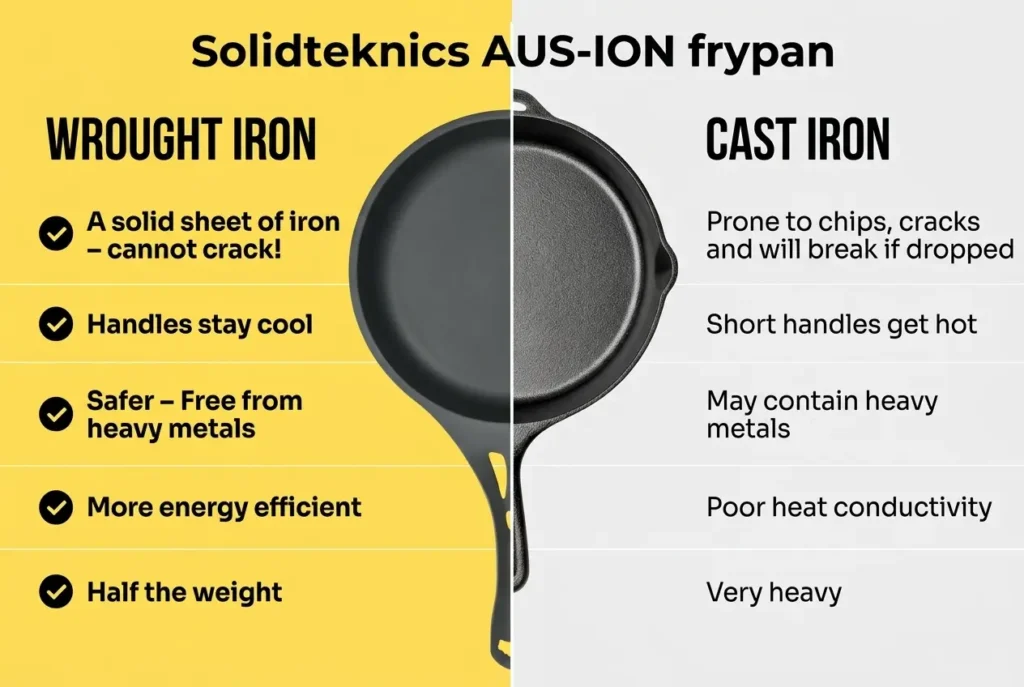
Solidteknics AUS ION takes a different route. Rather than casting a thick pan, the company forms its cookware from a single sheet of wrought iron. The pan and handle are one continuous piece, without rivets or attached joints. That construction creates a pan that is lighter than conventional cast iron while still offering the character of cooking with iron.
For many cooks, the difference is practical. A lighter pan is easier to lift from a high shelf, move from burner to oven, and use for everyday meals. Its thinner construction also responds more quickly when the heat is raised or lowered. Solidteknics describes AUS ION as about half the weight of cast iron, but it is still an iron pan, not a maintenance free substitute for nonstick cookware.
Like cast iron, it should be seasoned, dried, and used regularly. In return, it builds a patina over time and is designed for a long life in the kitchen. The material is made in Australia from Australian iron, which will matter to readers who value that local manufacturing story.
Choose Solidteknics if you like the idea of cooking with iron but want less weight, a seamless one piece design, and a quicker response to changes in heat.
Which pan belongs in your kitchen
Choose Stargazer when you want the familiar confidence of traditional cast iron: steady heat, oven ready cooking, American manufacturing, and a pan you can buy directly through GenTree Home.
Choose Solidteknics when you want the feel and natural seasoning of iron in a lighter pan that is easier to move and quicker to respond on the stovetop.
Both choices ask something of the cook. They reward preheating, a little oil, routine care, and use. Neither is a disposable answer to every kitchen task. That is precisely why either can become the pan that remains when other cookware has come and gone.
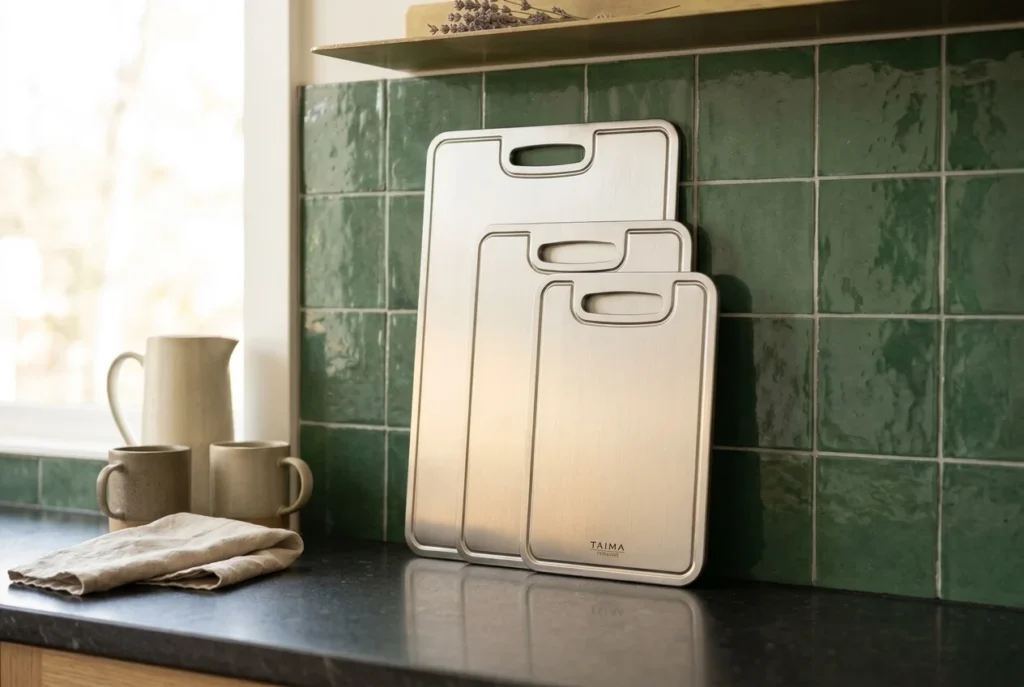
Some readers will decide that iron is not the right material for them. For those kitchens, Taima offers a titanium option. Its titanium cutting board is a useful companion consideration for anyone already replacing plastic cutting boards and looking for a durable non plastic surface. It is not a tie breaker in the cast iron versus wrought iron decision; it is simply another thoughtful route for a kitchen built to last.
Explore the collection
Explore the Stargazer cast iron skillet, compare it with the Solidteknics AUS ION lightweight iron skillet, and see the Taima titanium cutting board for a different kind of kitchen upgrade at GenTree Living.
Affiliate Disclosure: GenTree Living may earn a commission from qualifying purchases made through selected links, at no additional cost to you. Our recommendations are based on relevance to the subject and usefulness to the reader.