Bamboo shows up in an odd range of places lately — toothbrushes, cutting boards, dinner plates, cutlery you’d actually want to be seen using. That’s not a coincidence or a design trend. Bamboo has a few genuinely useful properties that make it a sensible plastic replacement in exactly the places most homes go through plastic fastest.
Why Bamboo Specifically, Not Just “Wood”
Bamboo is technically a grass, not a tree, and that matters for one practical reason: it grows remarkably fast compared to hardwood, which means it can be harvested and replenished on a much shorter cycle. It’s also naturally durable and water-resistant enough to hold up in a kitchen without the heavy sealing some other woods need. That combination — fast-renewing, sturdy, low-maintenance — is why it shows up across so many different product categories at once rather than staying confined to one.

Where It Actually Makes Sense: The Cutting Board
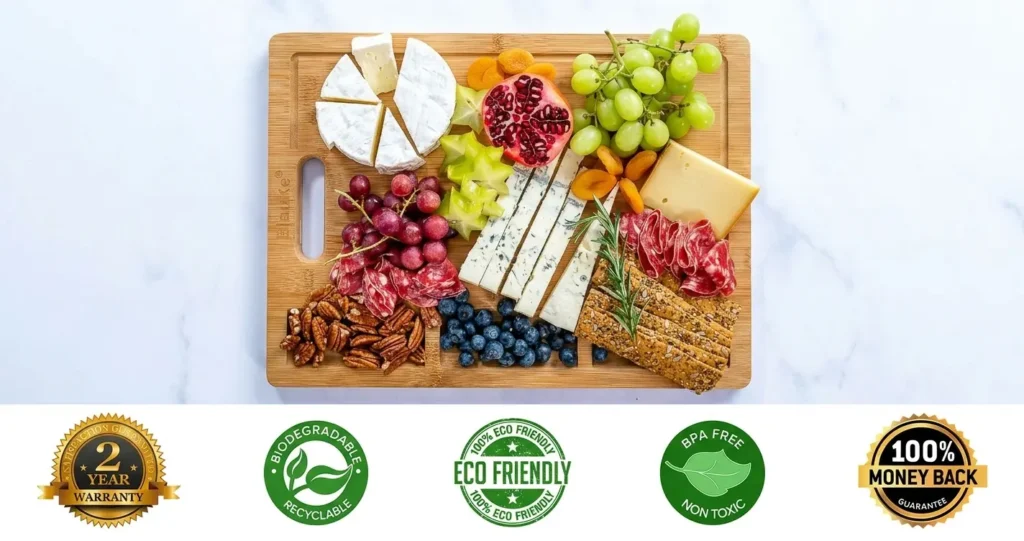
A cutting board is one of the most-used objects in any kitchen, and it’s also one most people don’t think about until it’s warped, stained, or scored with a thousand knife marks. Bamboo cutting boards are naturally harder than most cutting-board woods, which means they resist deep knife grooves — the exact grooves that become a place for bacteria to hide in a plastic or softer wood board. A larger board, in the 17″ range, also solves a genuinely common kitchen complaint: undersized boards that turn simple prep into a juggling act between the board and the counter.
Where It Actually Makes Sense: The Toothbrush
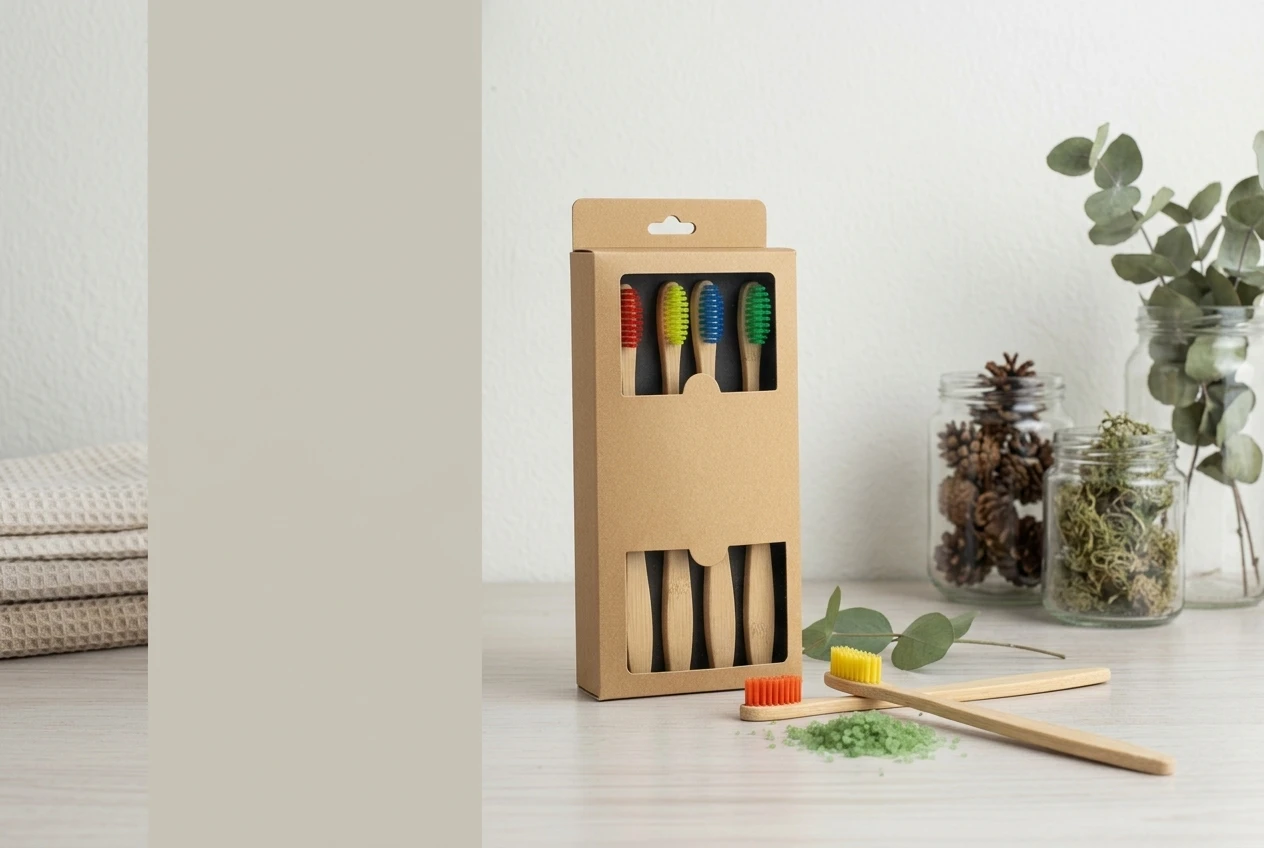
A toothbrush is a small object with an outsized plastic footprint, since most households replace them every few months. A bamboo-handled toothbrush with a compostable handle doesn’t solve everything — bristles are still typically nylon — but it removes the single biggest piece of plastic in an object that gets thrown away roughly four times a year, per person, for life.
Where It Actually Makes Sense: Plates and Dinnerware
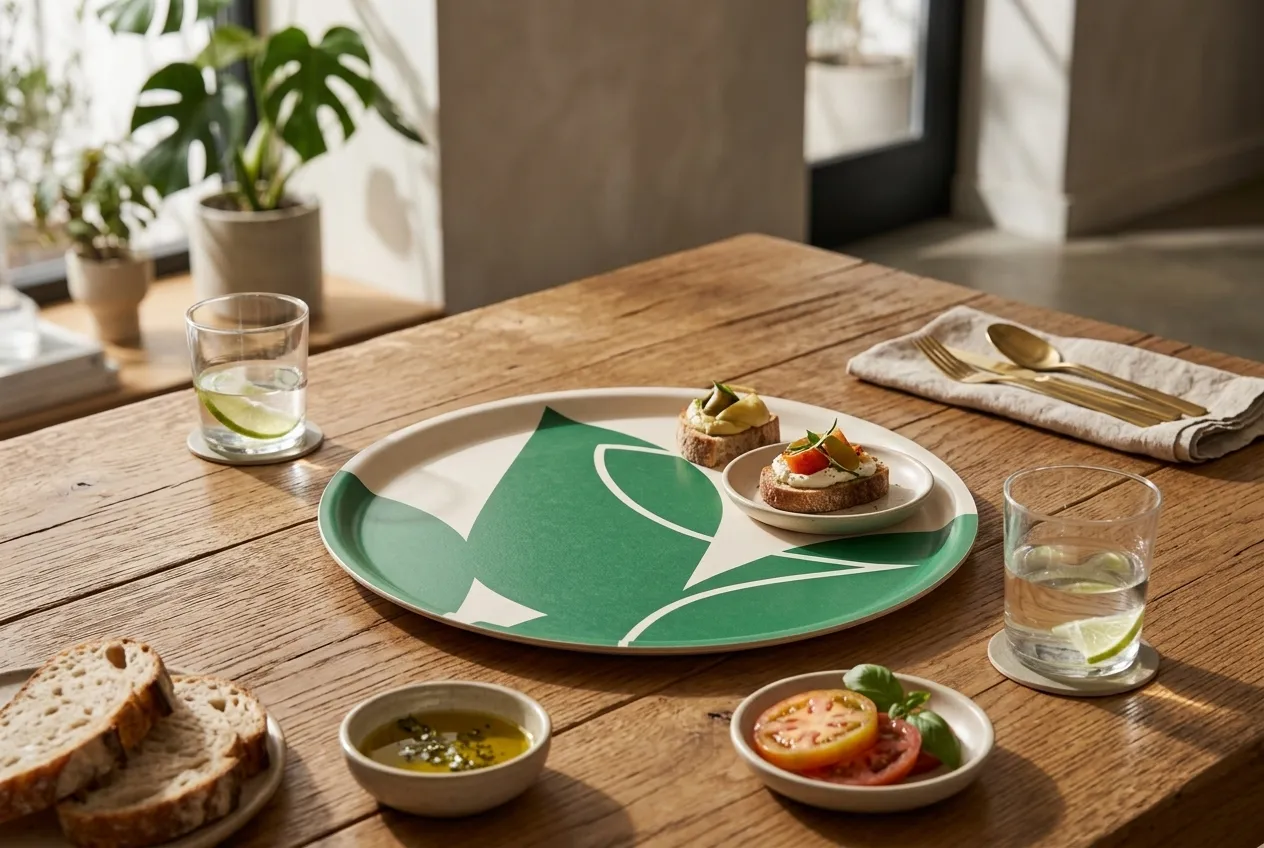
Bamboo fiber dinnerware sits in an interesting middle ground between disposable and heirloom — lighter and more break-resistant than ceramic, but with none of the guilt of paper plates at a family gathering. It’s a genuinely practical choice for households that want dinnerware sturdy enough for daily use but aren’t trying to build a china cabinet.
What We Can’t Verify — And Say So
Specific antibacterial or biodegradability claims vary by product and manufacturing process — a bamboo cutting board that’s been laminated with synthetic resin, for instance, biodegrades very differently than an untreated one. We’re not making blanket claims about every bamboo product’s environmental footprint here; check individual product descriptions for how a specific item is finished before assuming it behaves like raw bamboo.
The GenTree Living Take
Bamboo isn’t a magic material, and it isn’t right for everything. But in the specific handful of places where households cycle through plastic fastest — cutting boards, toothbrushes, everyday dinnerware — it’s a genuinely sensible, low-friction swap rather than a trend you have to buy into philosophically. It just happens to also look better on the counter.
Featured products available on GenTree Home: Extra Large Bamboo Cutting Board, Natural Bamboo Toothbrush (single and 4-pack), and the Bamboo Plate Set in both Dinner and Salad sizes.